
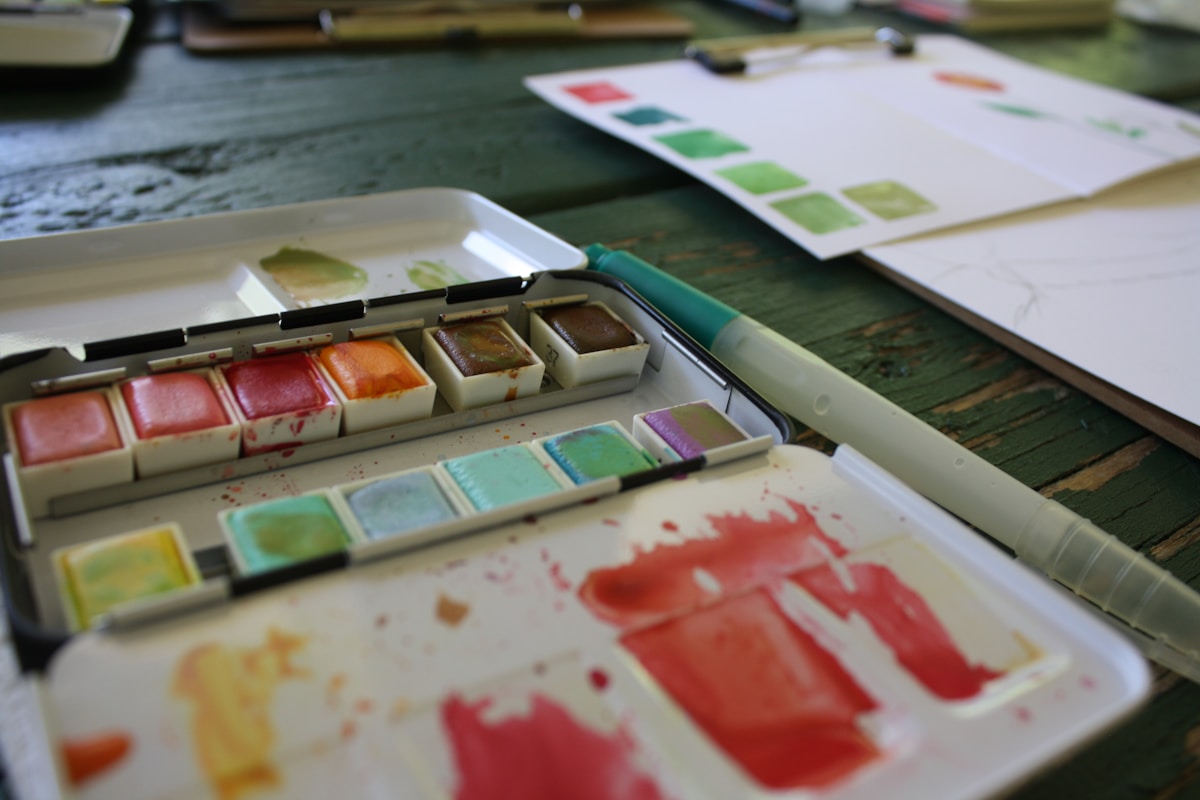
Understanding Color Theory
Color theory is a fundamental concept in art and design that explores how colors interact, evoke emotions, and influence perceptions. In this blog post, we will delve into the various aspects of color theory, highlighting how colors can enhance visual storytelling and evoke specific emotions.
The Basics of Color Theory
At its core, color theory is a set of principles used to understand how colors work together. It encompasses the color wheel, color harmony, and the psychological effects of colors. Here’s a breakdown of the essential components:
The Color Wheel
The color wheel is a circular diagram that represents the relationships between colors. It is divided into primary, secondary, and tertiary colors:
- Primary Colors: Red, blue, and yellow. These colors cannot be created by mixing other colors.
- Secondary Colors: Green, orange, and purple. These are formed by mixing two primary colors.
- Tertiary Colors: Colors created by mixing a primary color with a secondary color, such as red-orange or blue-green.
Color Harmony
Color harmony refers to the aesthetically pleasing combinations of colors. There are several schemes to achieve color harmony:
- Complementary: Colors that are opposite each other on the color wheel, such as blue and orange.
- Analogous: Colors that are next to each other on the color wheel, like blue, blue-green, and green.
- Triadic: A scheme that uses three colors evenly spaced around the color wheel, such as red, yellow, and blue.
- Monochromatic: Variations of one hue, using different shades, tints, and tones.
The Psychological Effects of Color
Colors can evoke a wide range of emotions and reactions. Understanding these psychological effects can greatly enhance visual storytelling. Here’s how different colors are commonly perceived:
Warm Colors
Warm colors like red, orange, and yellow are often associated with:
- Energy: Warm colors can evoke feelings of excitement and enthusiasm.
- Passion: Red, in particular, is linked to strong emotions like love and anger.
- Warmth: These colors can create a sense of comfort and intimacy.
Cool Colors
Cool colors such as blue, green, and purple tend to evoke different feelings:
- Calmness: Blue is often associated with tranquility and serenity.
- Creativity: Purple can stimulate imagination and inspire creativity.
- Balance: Green represents nature and is linked to growth and balance.
Neutral Colors
Neutral colors like black, white, gray, and brown serve as a backdrop for other colors and can convey:
- Elegance: Black is often associated with sophistication and luxury.
- Stability: Brown can evoke a sense of reliability and earthiness.
- Purity: White is linked to cleanliness and simplicity.
Applying Color Theory in Visual Storytelling
Color theory plays a crucial role in visual storytelling, enhancing narratives through the strategic use of color. Here are some ways to apply color theory effectively:
Setting the Mood
The choice of color can set the emotional tone of a story. For instance:
- Using warm colors in a scene can create a sense of urgency or excitement.
- Cool colors can establish a calm, reflective atmosphere.
Character Development
Colors can also represent character traits or development:
- A character dressed in bright colors might be portrayed as cheerful and outgoing.
- Dark colors can signify mystery or villainy.
Symbolism and Themes
Colors can symbolize themes within a story:
- Red may symbolize love, danger, or passion.
- Green can represent growth, renewal, or jealousy.
Conclusion
Color theory is an invaluable tool for artists, designers, and storytellers. By understanding the relationships between colors and their emotional impacts, you can create compelling visual narratives that resonate with your audience. Whether you are designing a brand, creating artwork, or telling a story, the strategic use of color can elevate your work and engage viewers on a deeper emotional level.